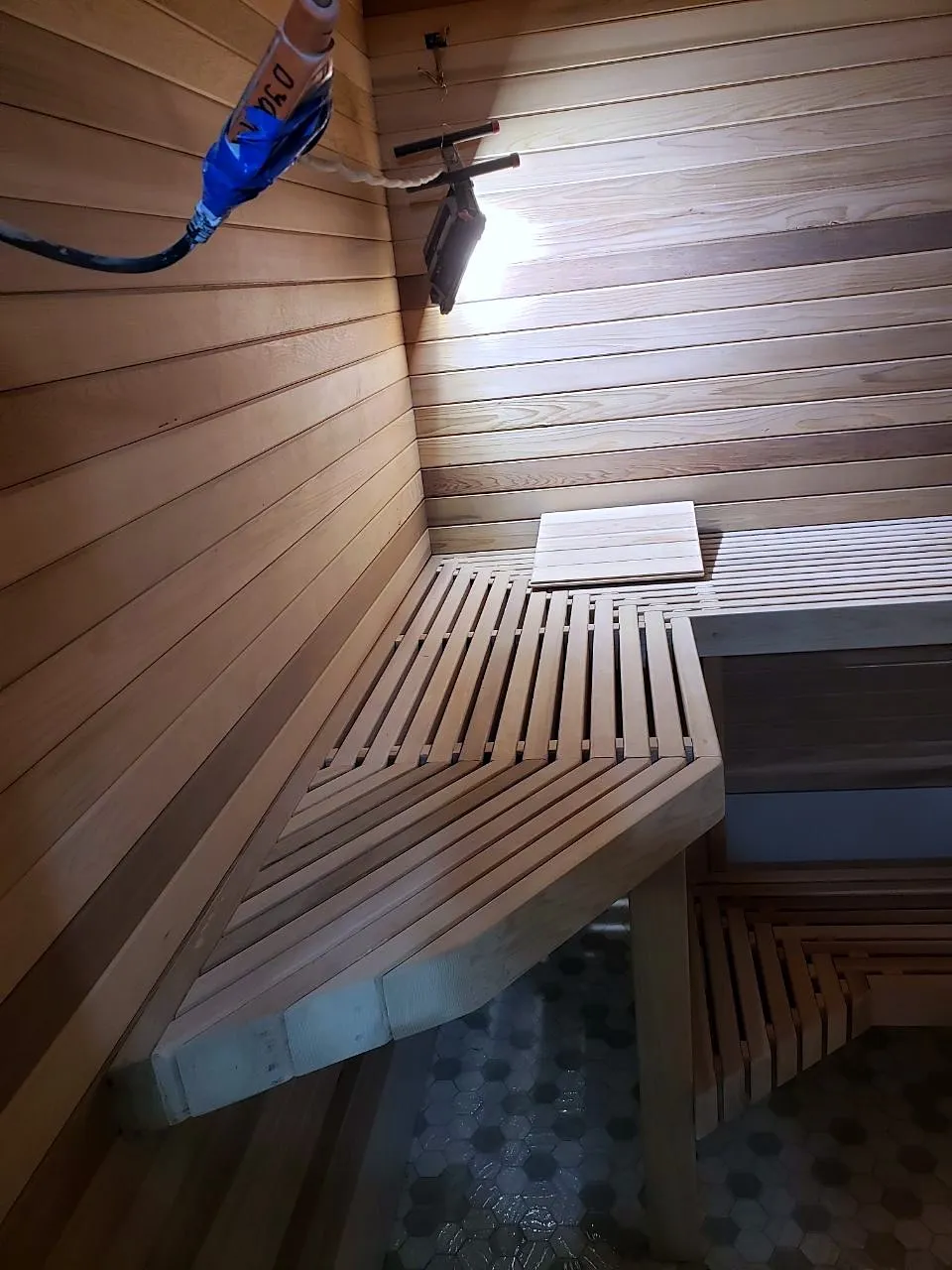
Kew Gardens packs a lot of pre-war into a small area: the grand co-ops along Lefferts Boulevard and Austin Street, the Tudor and English-style houses off Metropolitan Avenue and around Kew Gardens Road, and the newer buildings near the courthouse and the LIRR station. Much of it dates from the 1910s to the 1930s, which means plaster, original cast-iron plumbing and bathrooms that have been patched more than once. We renovate them properly and we are a short drive down Queens Boulevard from the shop.
The housing
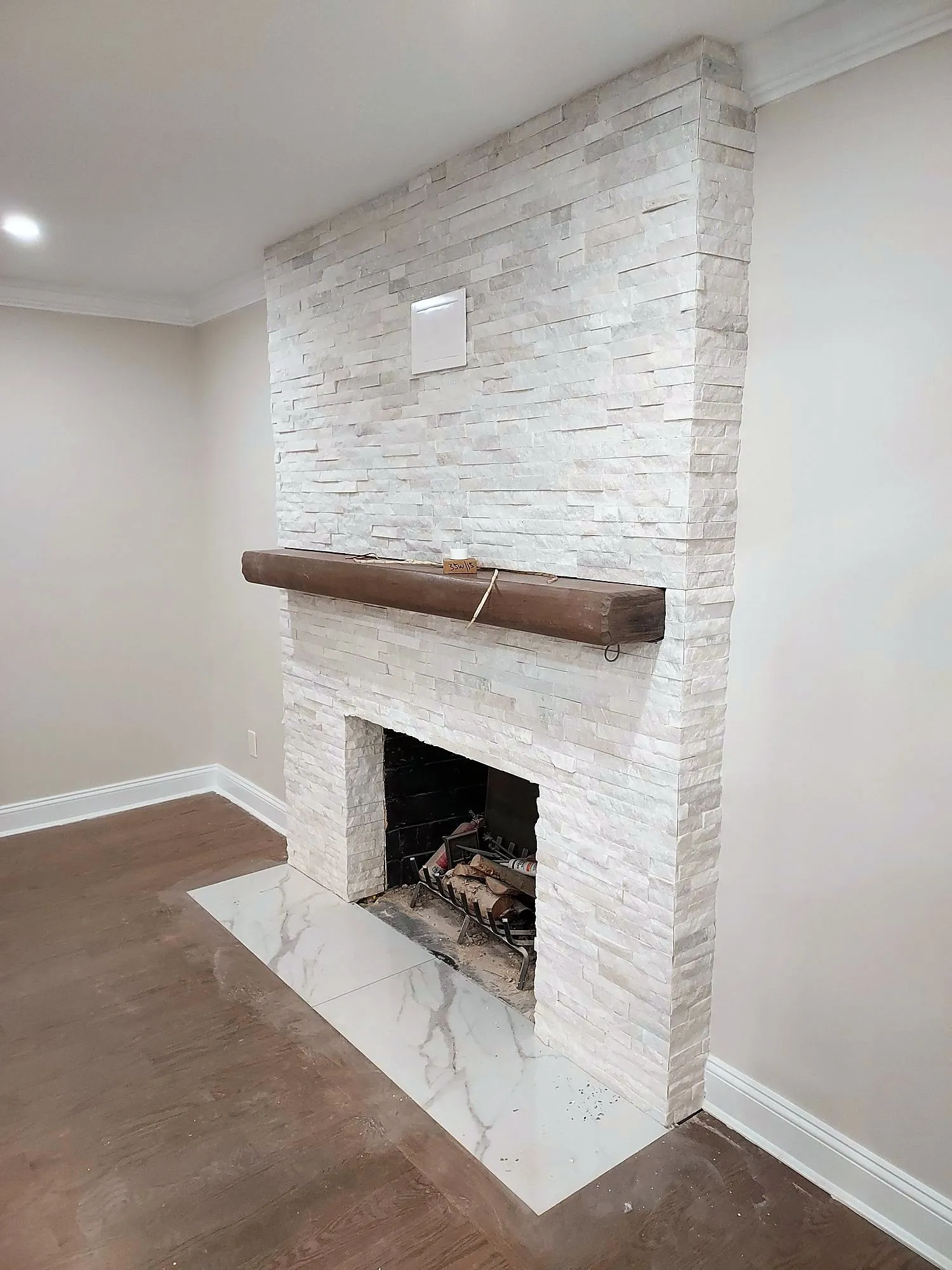
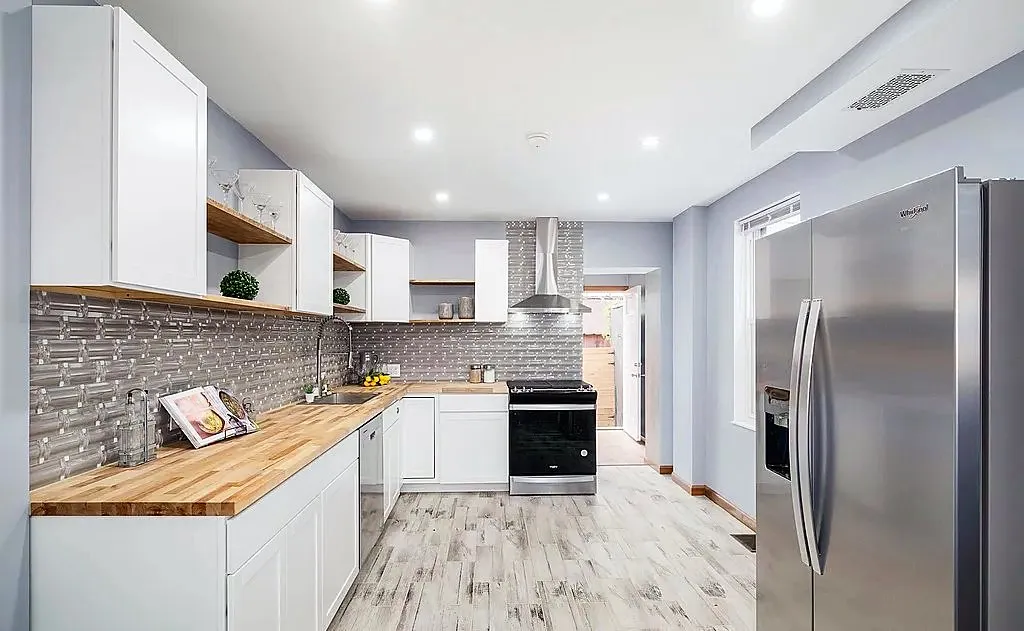
Six-story and taller pre-war co-ops line Lefferts Boulevard, Austin Street, 83rd Avenue and Talbot Street, many with large rooms, small bathrooms and kitchens designed for a different era. South and east of Metropolitan Avenue, single-family Tudors and brick colonials sit on quiet blocks with slate roofs, stone fireplaces and basements with low headroom. Along Kew Gardens Road and near Union Turnpike there are post-war apartment buildings and attached houses where second bathrooms and open kitchens are the usual requests.
What we are asked to do here
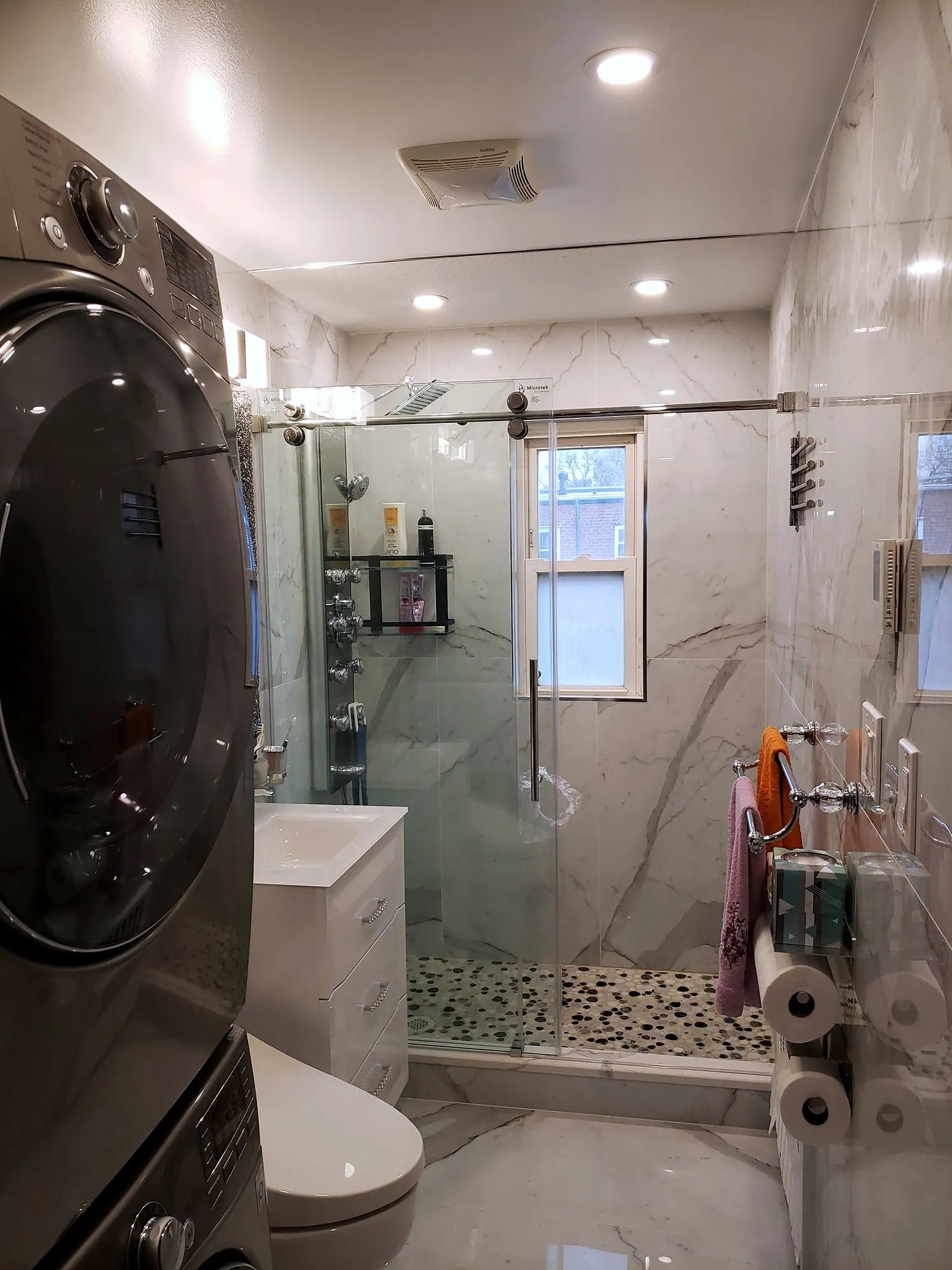
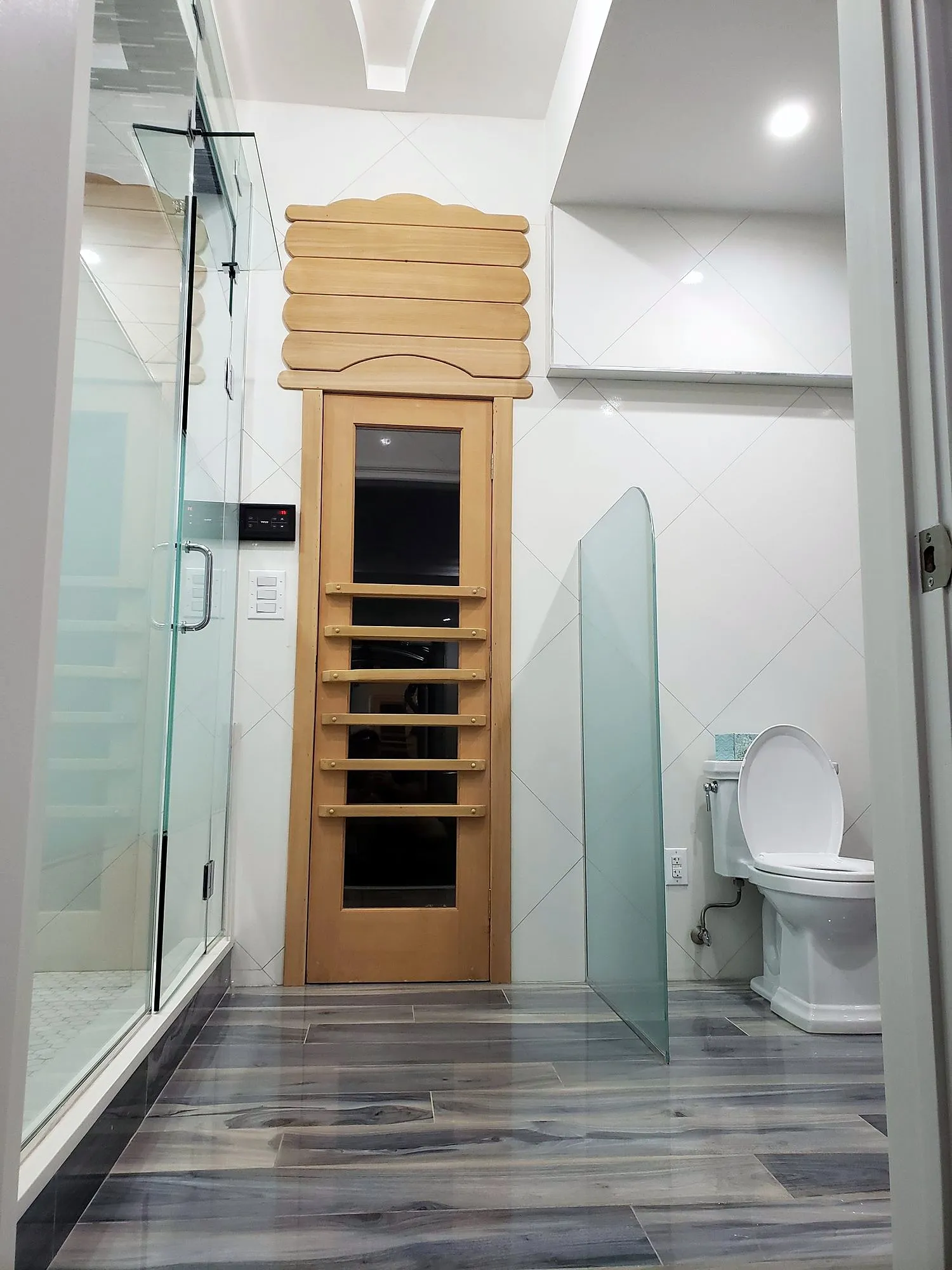
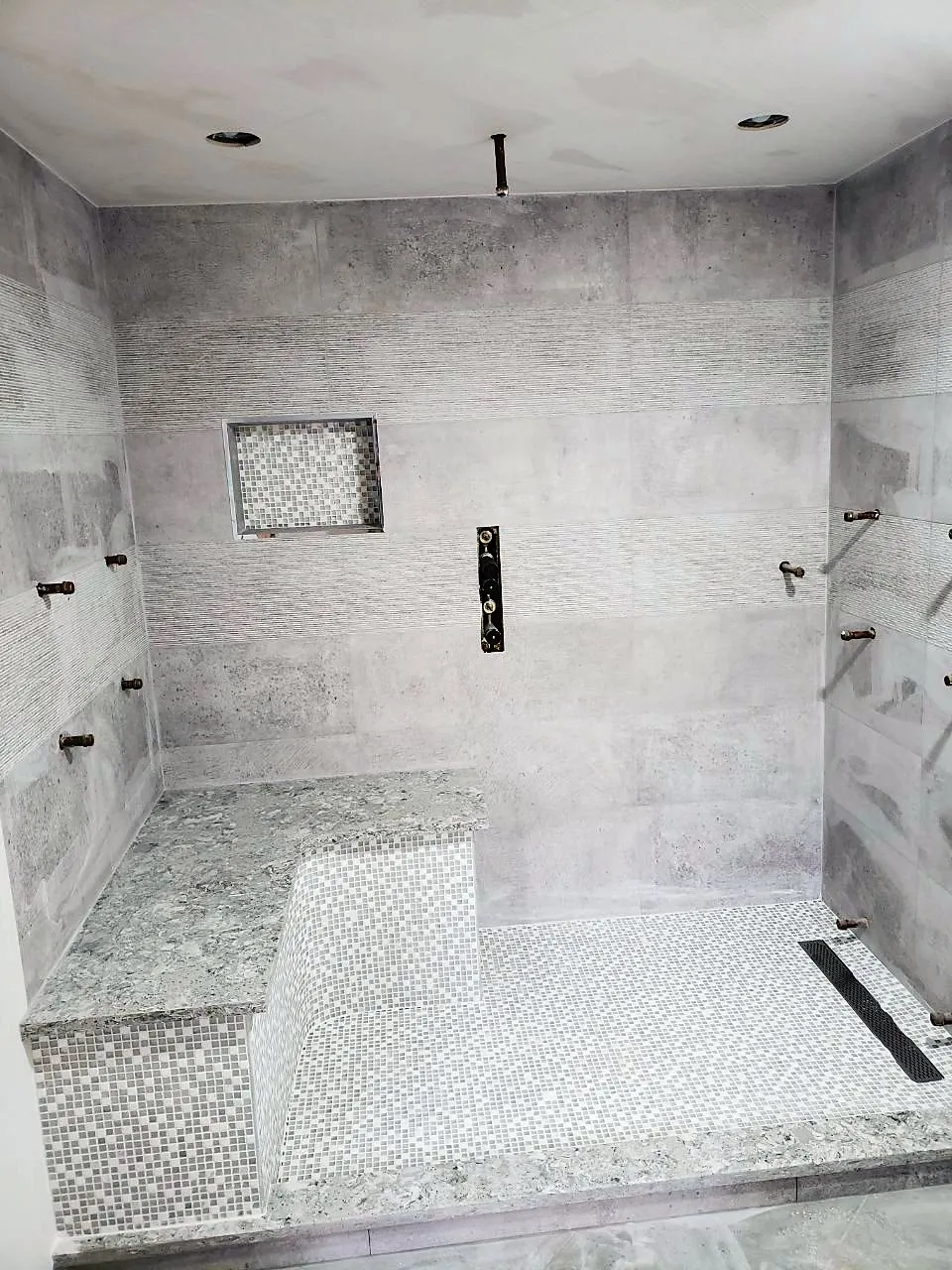
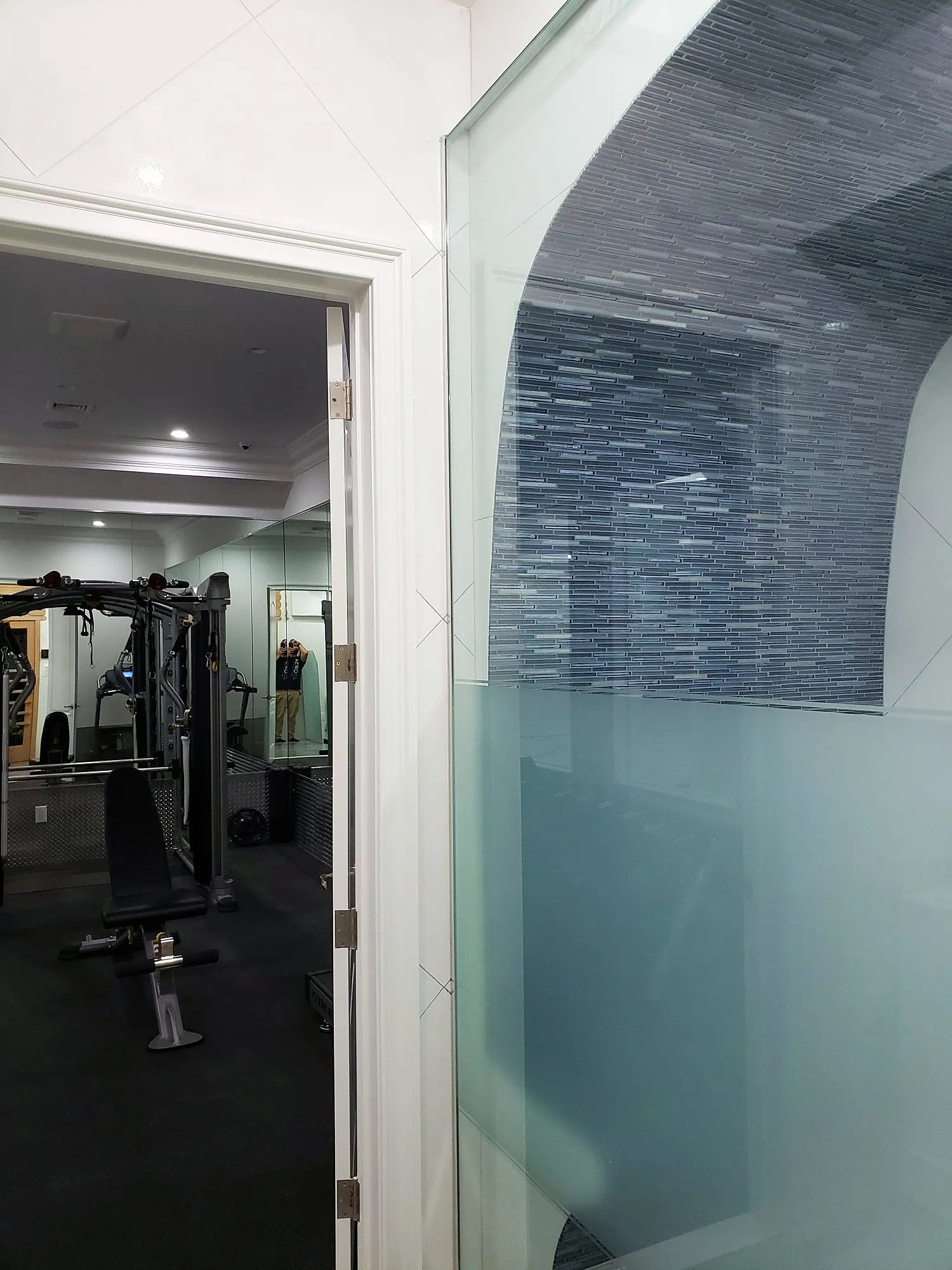
- Bathroom Remodeling: Pre-war co-op bathrooms off Lefferts Boulevard, where old cast-iron waste lines and plaster walls mean a full gut done carefully around the shared stack.
- Interior Renovations: Plaster repair, skim coating, flooring and trim through whole Tudor houses near Metropolitan Avenue, keeping the character while fixing the surfaces.
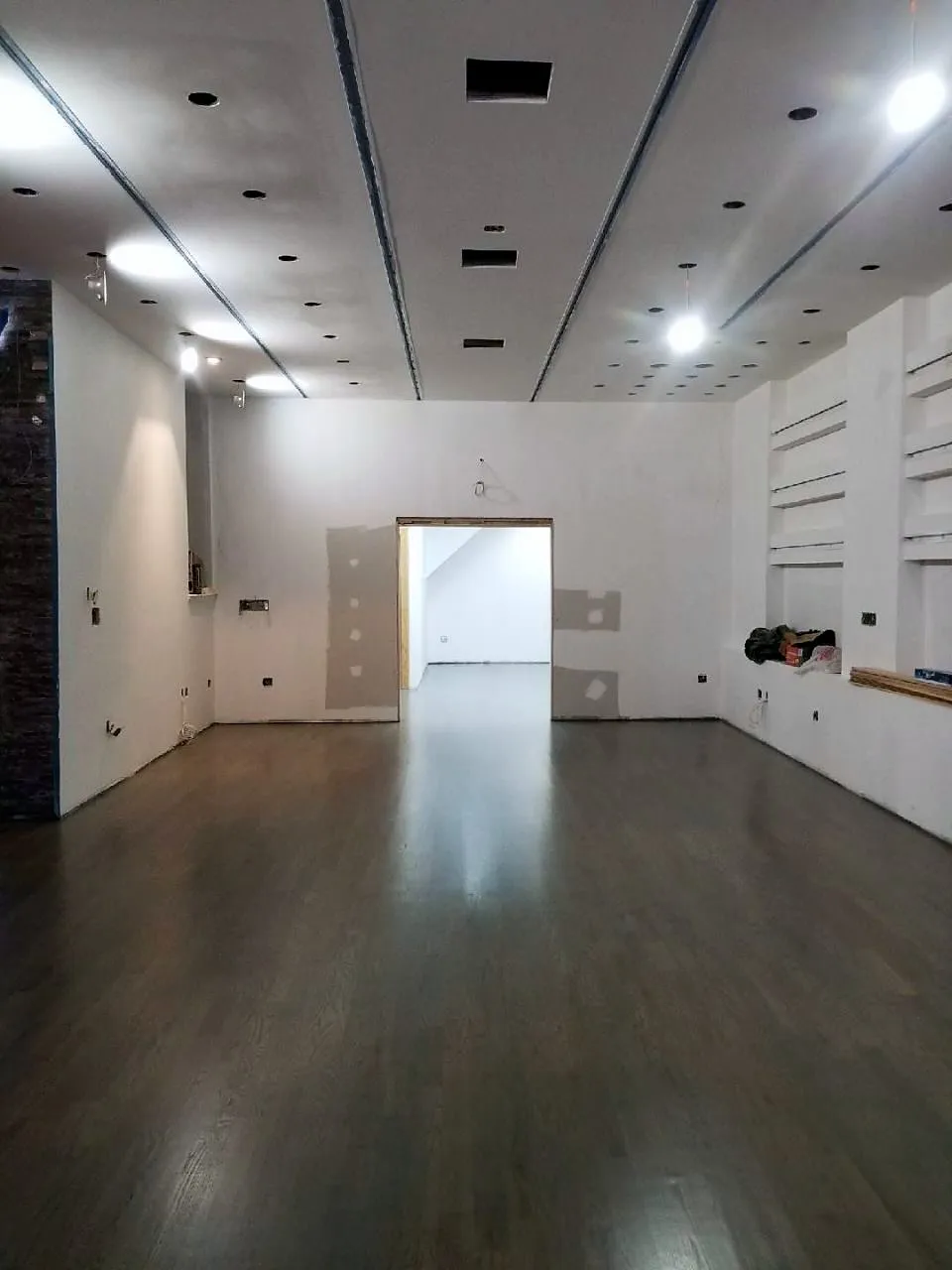
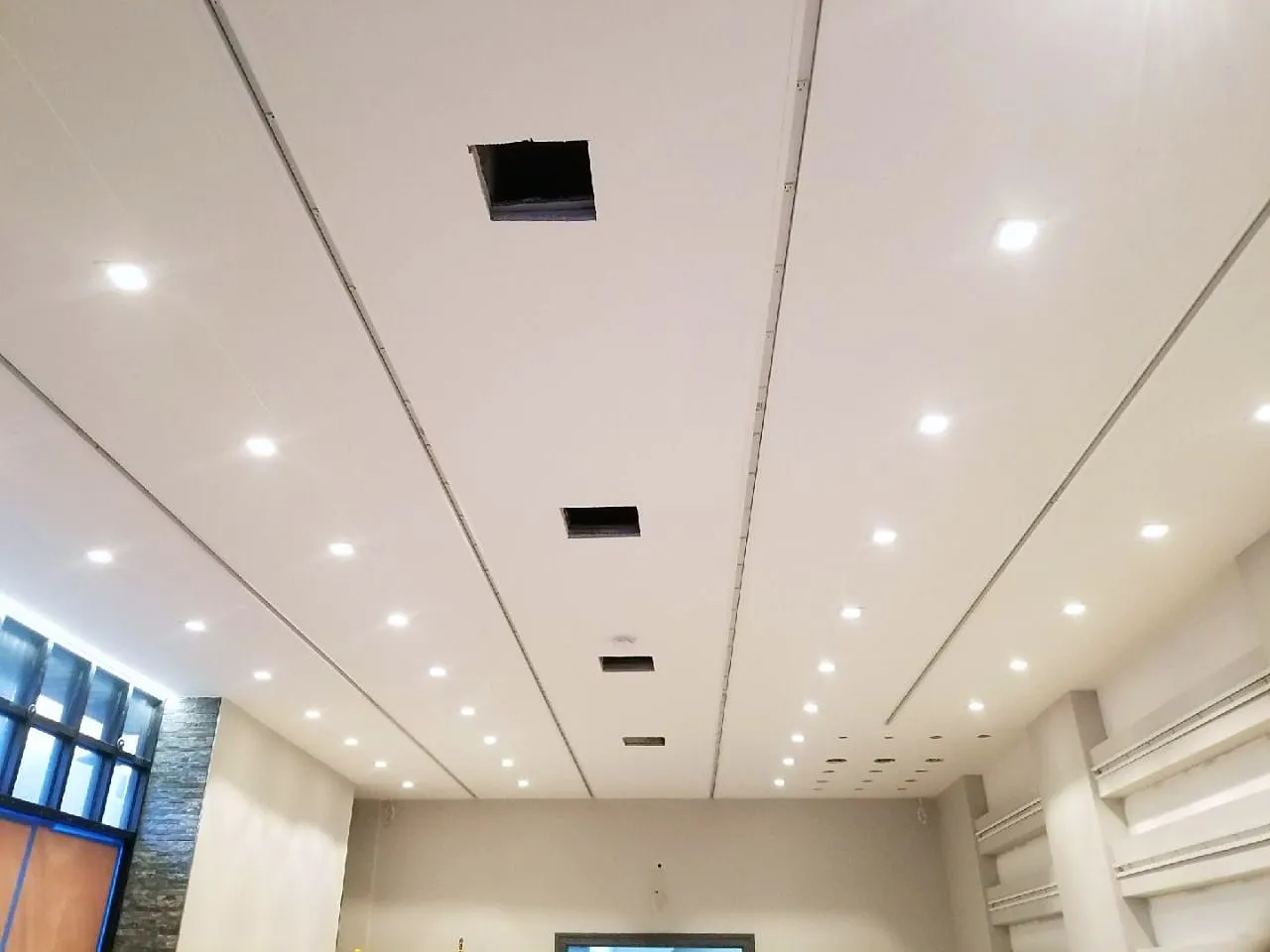
- Drywall and Painting: Level-5 skim coats over cracked plaster in the big Austin Street apartments, where afternoon light rakes across long walls.
Permits and building rules
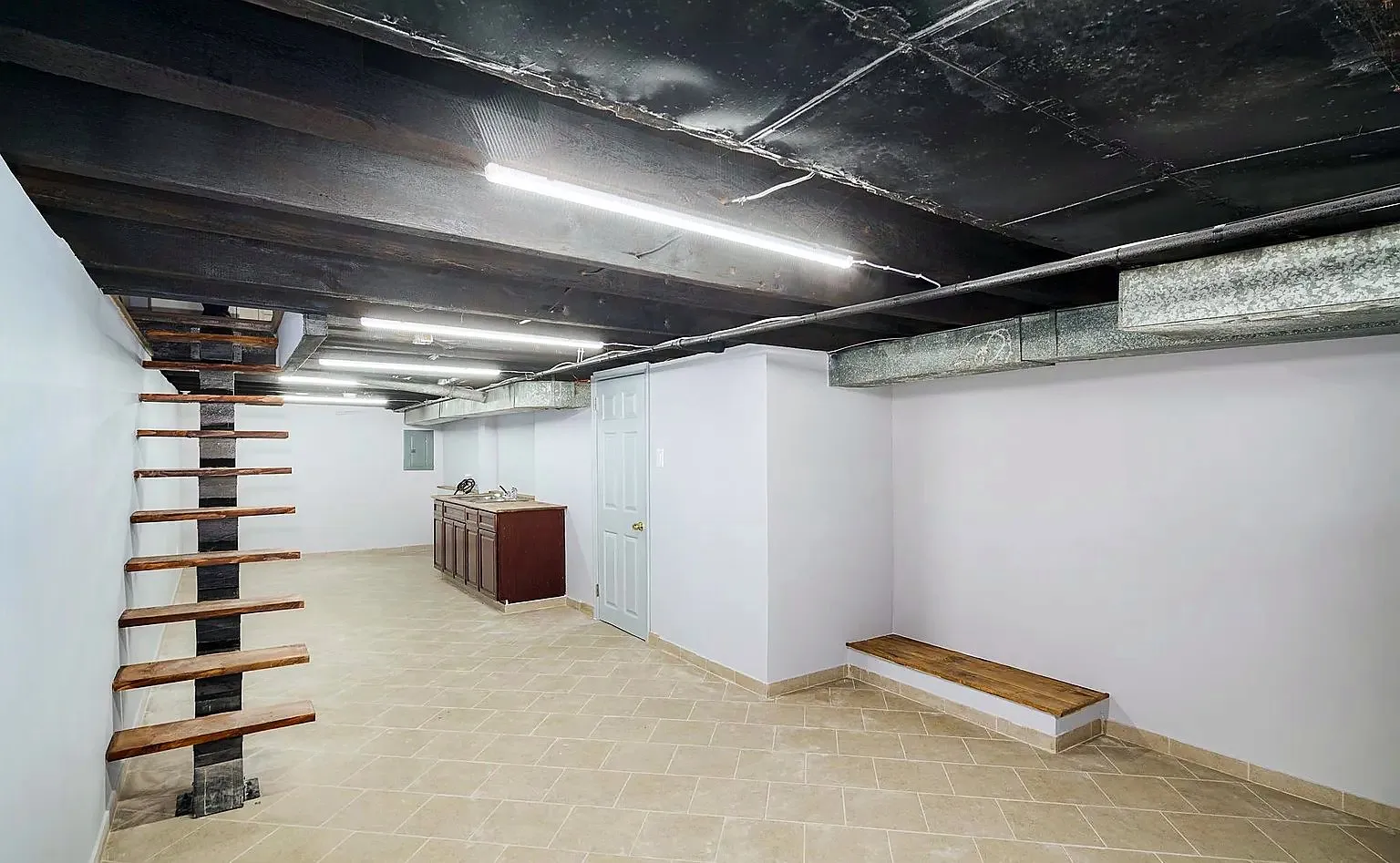
Co-op alteration agreements govern most Kew Gardens apartment work and tend to be thorough in the older buildings: license, insurance, a schedule within set hours, protection of common areas, and often an engineer's review for wet-area changes. Plumbing and electrical changes need DOB permits filed by licensed trades, which we coordinate. In the houses, the recurring permit question is the basement, where low ceiling heights limit what can be legally finished; we measure first and tell you plainly what the space can and cannot become.