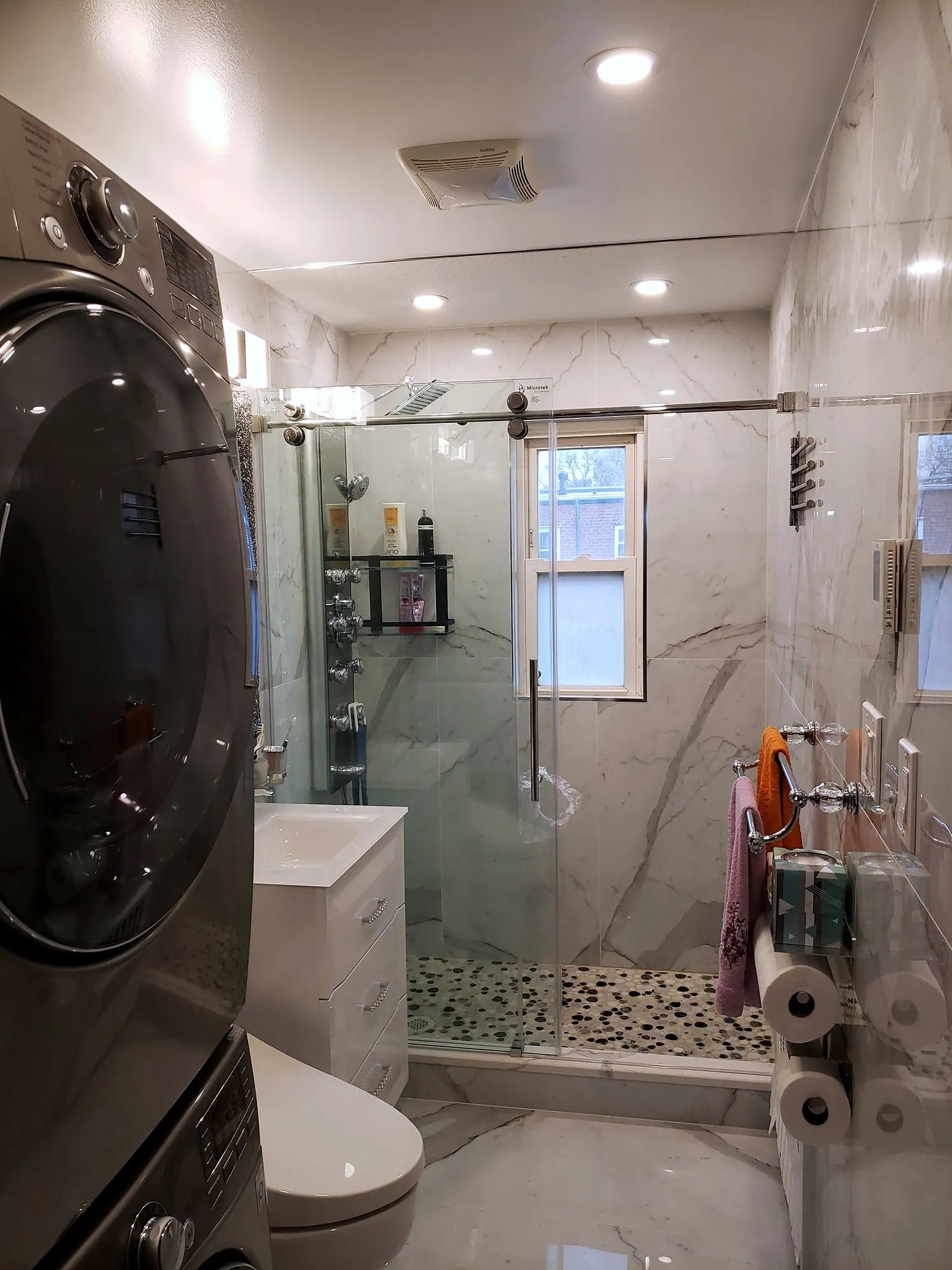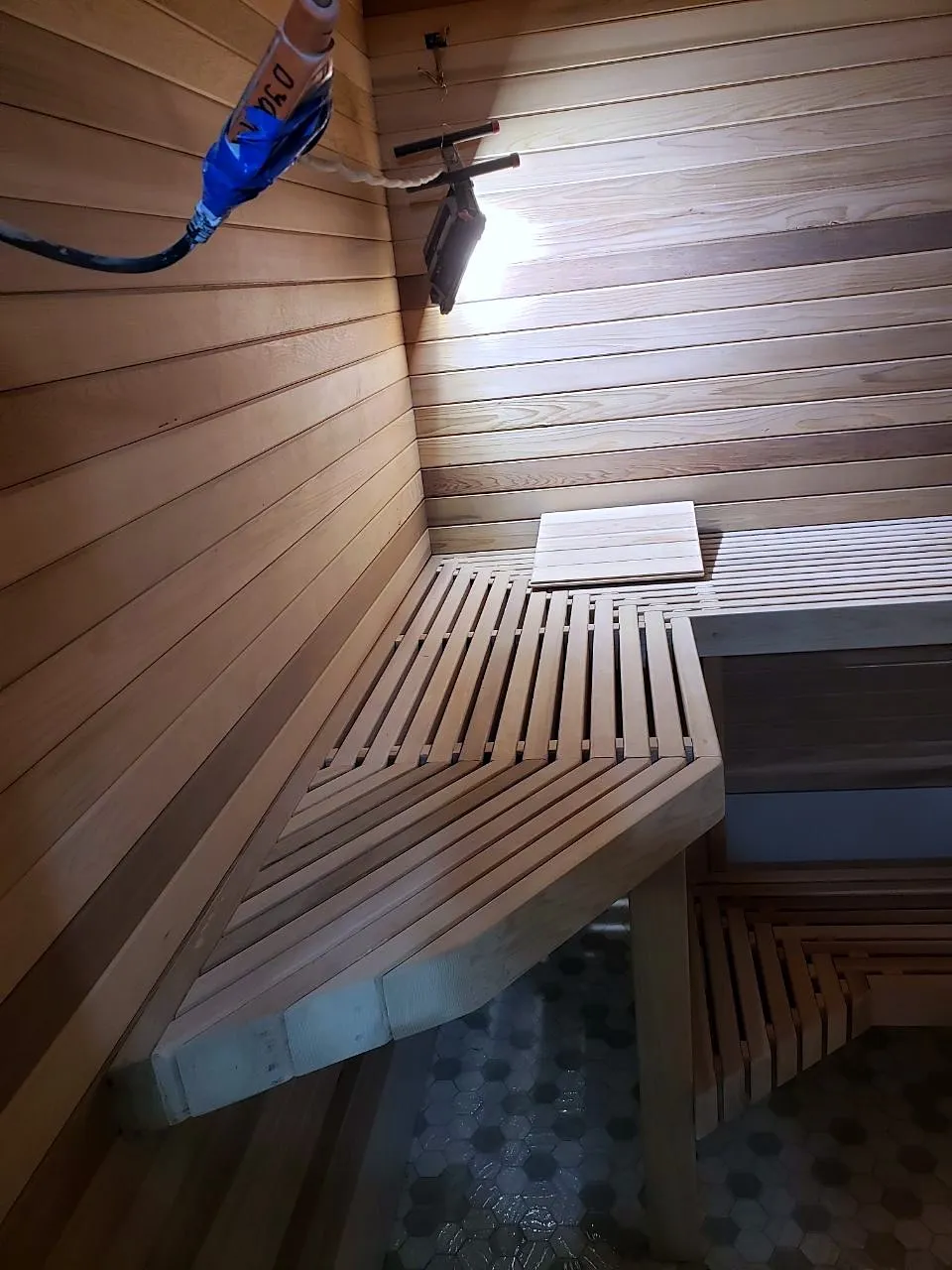
Every spring our phone rings with the same request: a bathroom or a basement that needs to be finished before summer, from people who have been thinking about it since the holidays. The work they want is the work we could have done in January, usually faster and with less waiting. Here is why the cold months are a good time to remodel inside a New York City home, and how to plan one so it goes smoothly.
Why winter works
Crews are available. Exterior work stops in the cold. Decks, porches, masonry and roofing wait for spring, so the trades that also do interior work, including ours, have open weeks between December and March. Open weeks mean a start date you choose rather than one you are given.
Suppliers are quieter. Tile warehouses, plumbing showrooms and cabinet shops run on a spring and summer rush. In January a special-order tile that would take four weeks in May often arrives in two.
Co-op boards still meet. Alteration agreements move at the same pace year round. If anything, managing agents have fewer packages on the desk in winter.
You are home anyway. Decisions about tile, grout color and fixture heights get made faster when you are not trying to make them from the beach.
Spring deadlines are real. A bathroom finished in March is ready for guests at Passover and Easter, for a summer rental, or for the spring sales market. Starting in April puts it in July.
What is different about winter work
Winter remodeling in Queens is ordinary indoor work with three things to plan around.
Heat and radiators
Many pre-war co-ops and attached houses have a radiator in the bathroom, and tile cannot go behind it while it is on the wall. We remove it, tile, and reinstall it in a few days, and we schedule that step for the mildest forecast we can find. In steam buildings the super needs to know, because the riser may have to be drained. This is a scheduling detail, not a reason to wait.
Ventilation and drying
Thinset, waterproofing membranes and paint cure fine at indoor temperatures, but they cure in damp air more slowly. We run a small heater and a fan in the work area when needed, and we do not rush grout or sealant because a schedule says so. A day of extra drying in January is cheaper than a callback in June.
Deliveries and the building
Snow days delay deliveries. In co-ops the service elevator is booked around the holidays and often unavailable between Christmas and New Year. We order materials to arrive before the week of the 20th or after the first week of January, and we book the elevator the day the board approves.
Projects that suit the season
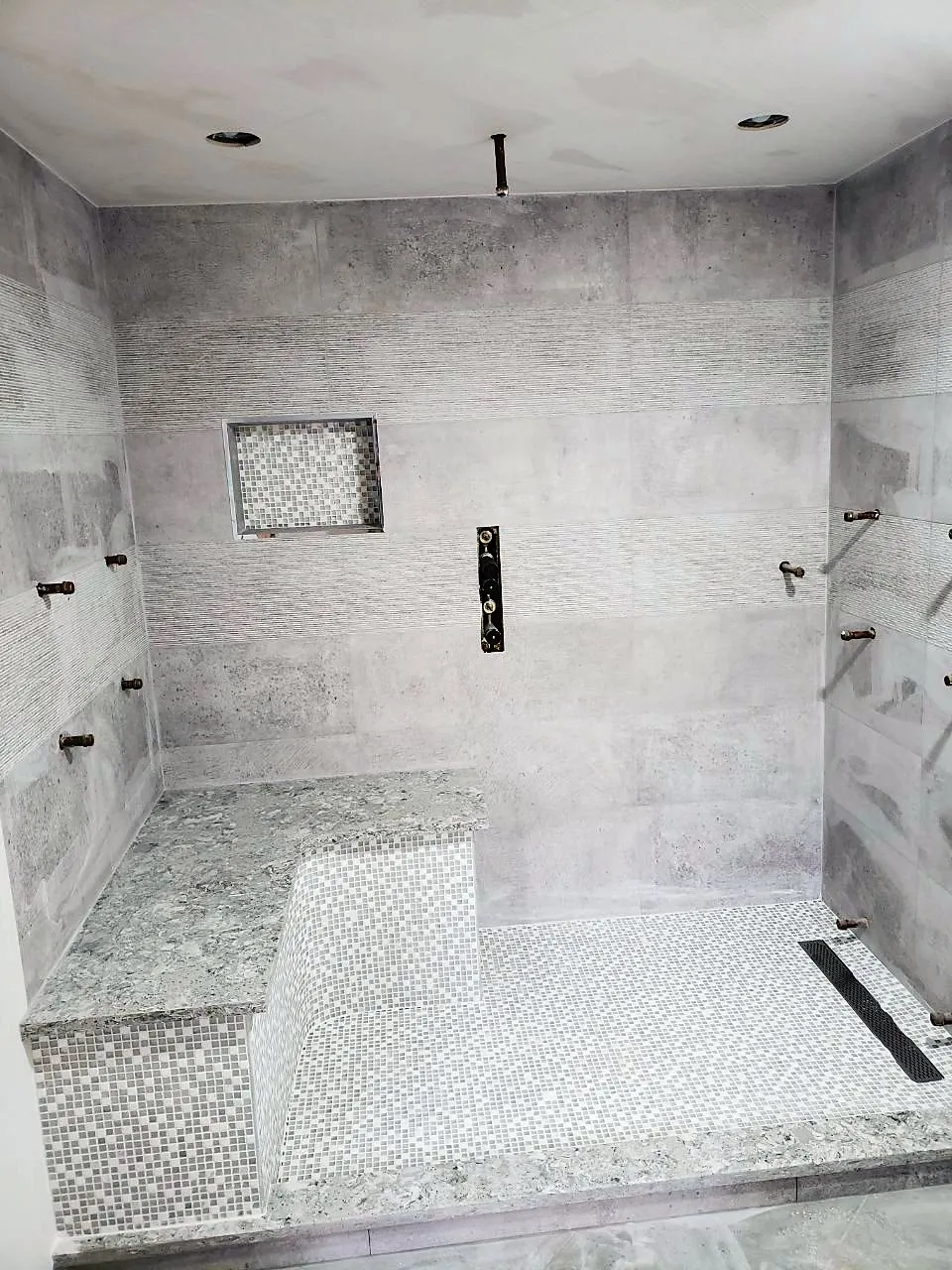
Bathrooms. The classic winter project. Everything happens inside, the room is sealed, and the schedule is driven by your building’s hours rather than the weather.
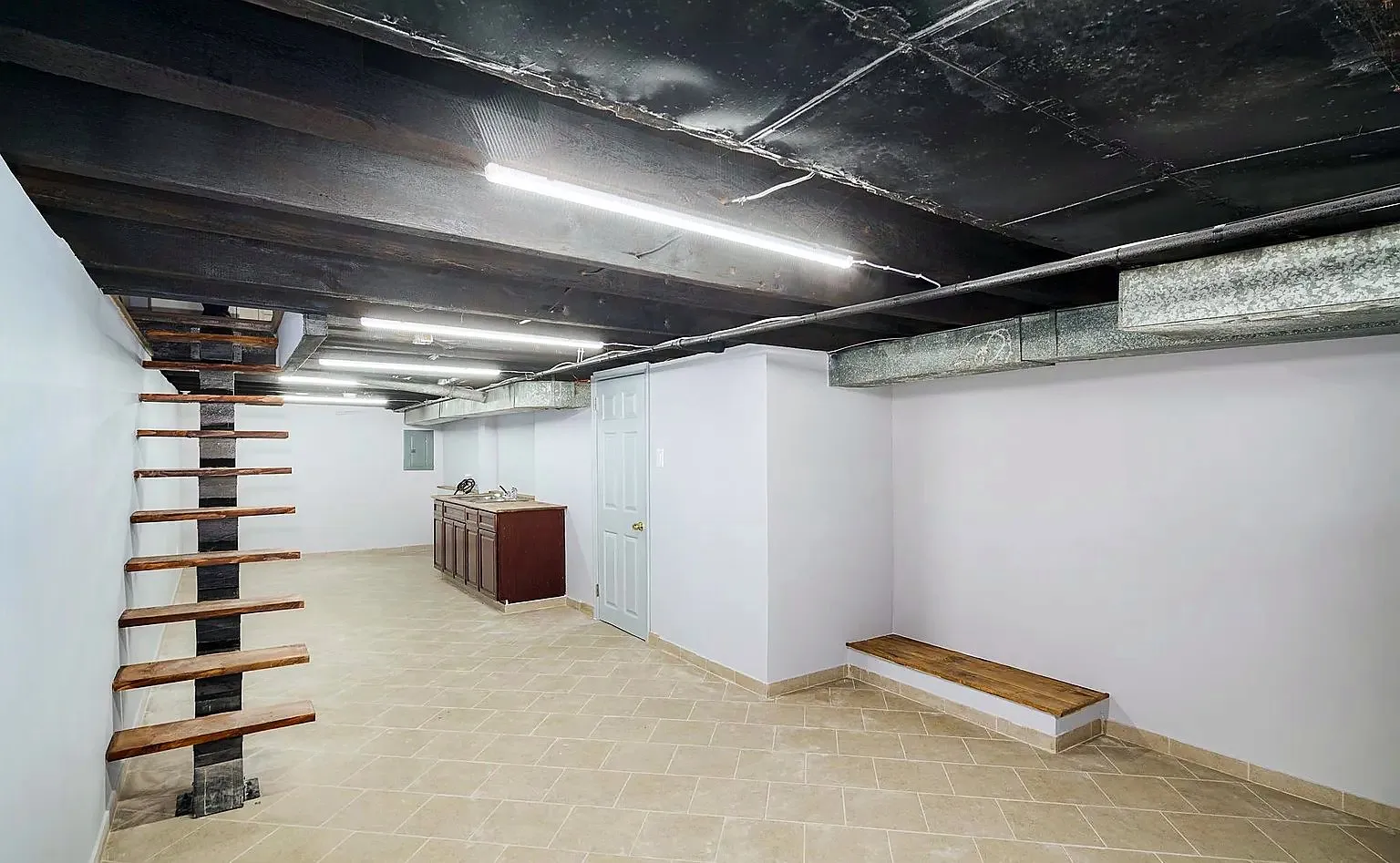
Basements. Winter shows you exactly what a basement does in the cold: where the air leaks, which corner is damp, whether the heat reaches it. Finishing a basement in January means we insulate and seal against the conditions that matter, not the ones we imagine in July.
Saunas. Nobody wants a sauna in August. A basement or bathroom sauna built in December is used from the day it is finished, and the electrical and ventilation work happens while the rest of the house is closed up anyway.
Interior painting and drywall. Dry winter air is good for paint. Open a window a crack, run a fan, and the coats go on cleanly.
Kitchens. Possible, but plan for life without a stove for a few weeks. Many of our winter kitchen clients schedule the demo for right after Thanksgiving and finish before the holidays, or start in the second week of January.
A realistic winter calendar
For a Queens co-op bathroom, planned backward from a spring finish:
| Month | What happens |
|---|---|
| November | Site visit, written estimate, building package submitted |
| December | Board approval, tile and fixtures ordered, holiday week avoided |
| January | Demo, plumbing rough-in, inspection, waterproofing |
| February | Tile, glass, fixtures, paint, final walkthrough |
For a house, remove the approval month and the same bathroom runs about five weeks from demo.
How to prepare
- Decide the scope now. A tub-to-shower conversion and a full gut are different projects with different lead times. Settle this before the estimate.
- Pick finishes early. Large-format tile, custom glass and vanities have the longest lead times. Choosing them in November is what makes a January start possible.
- Tell your building. Even in a house with tenants, a heads-up about noise and parking avoids friction.
- Plan the household. One bathroom? We can usually keep a toilet working at night during a remodel, but not a shower. Line up a neighbor, a gym or a relative.
- Book the start. Winter weeks fill in order. The earlier you call in the fall, the more choice you have.
The short version
If you want the room done by spring, start the conversation before the holidays. Send us photos and the building name, and we will come out, measure, and give you a written estimate with a real finish date on it.