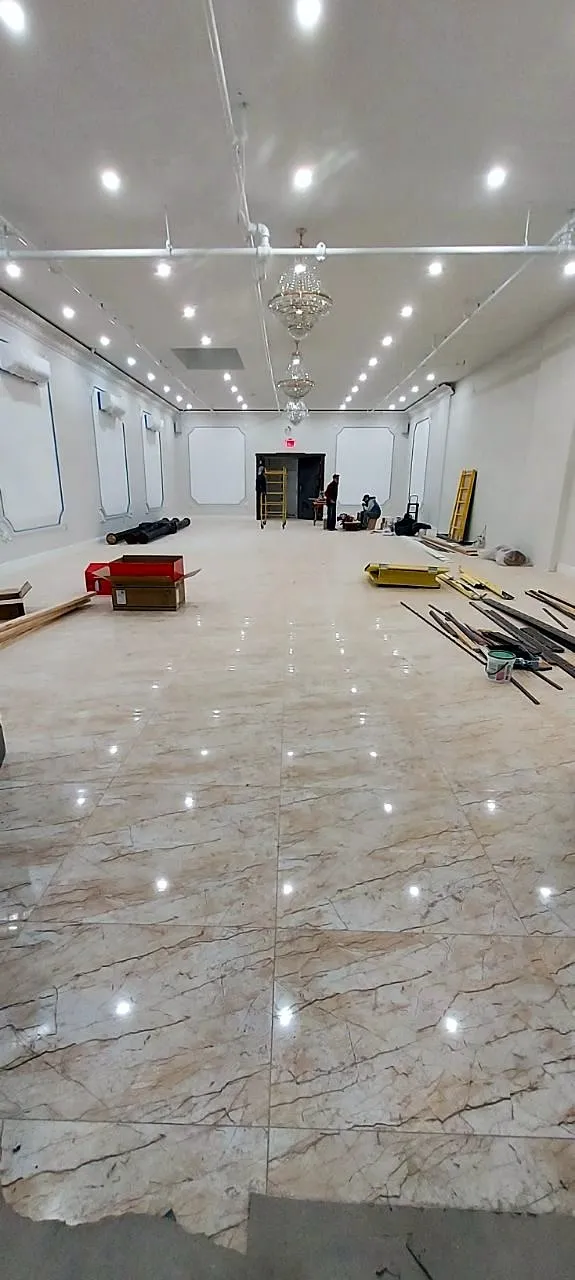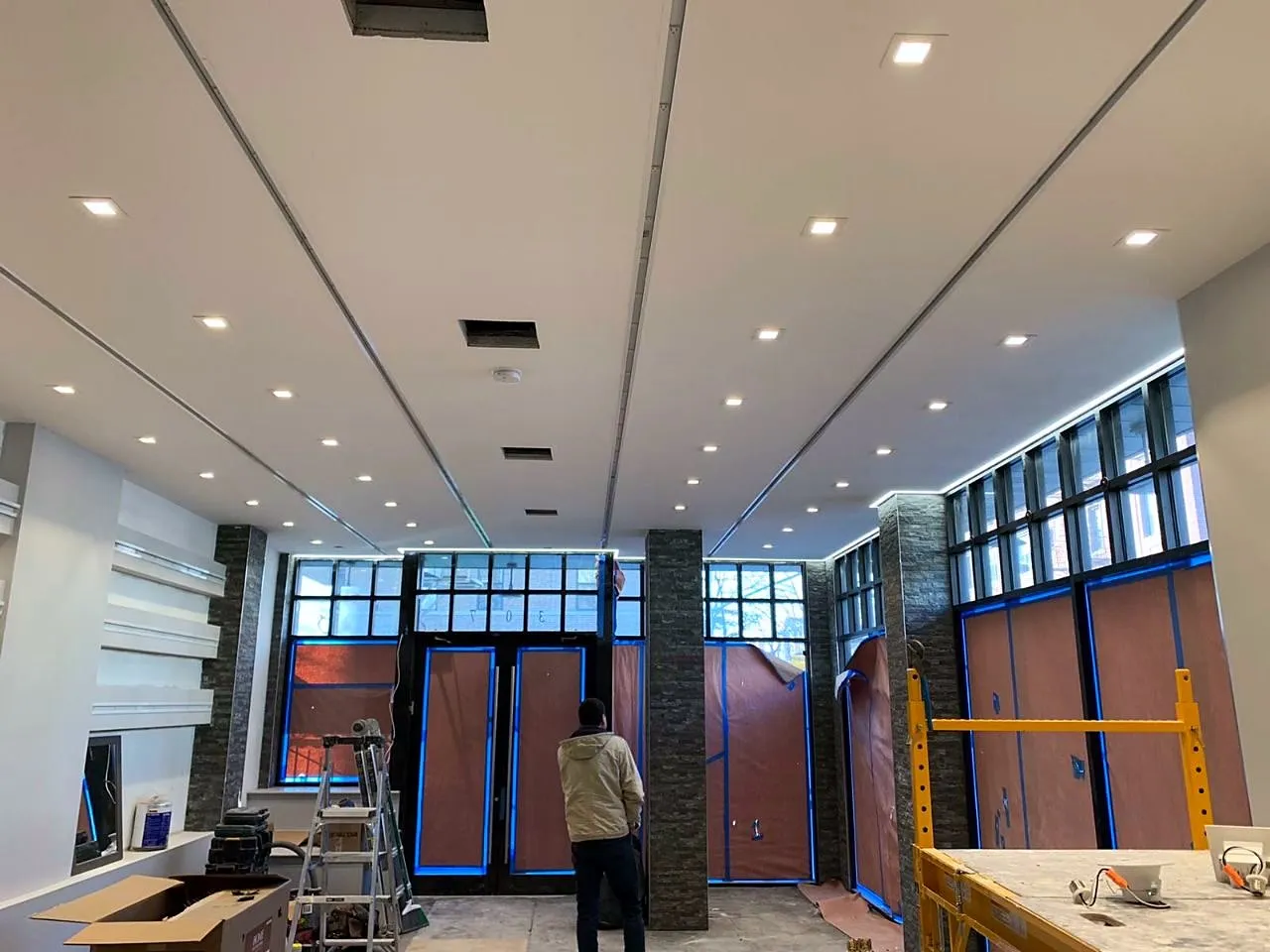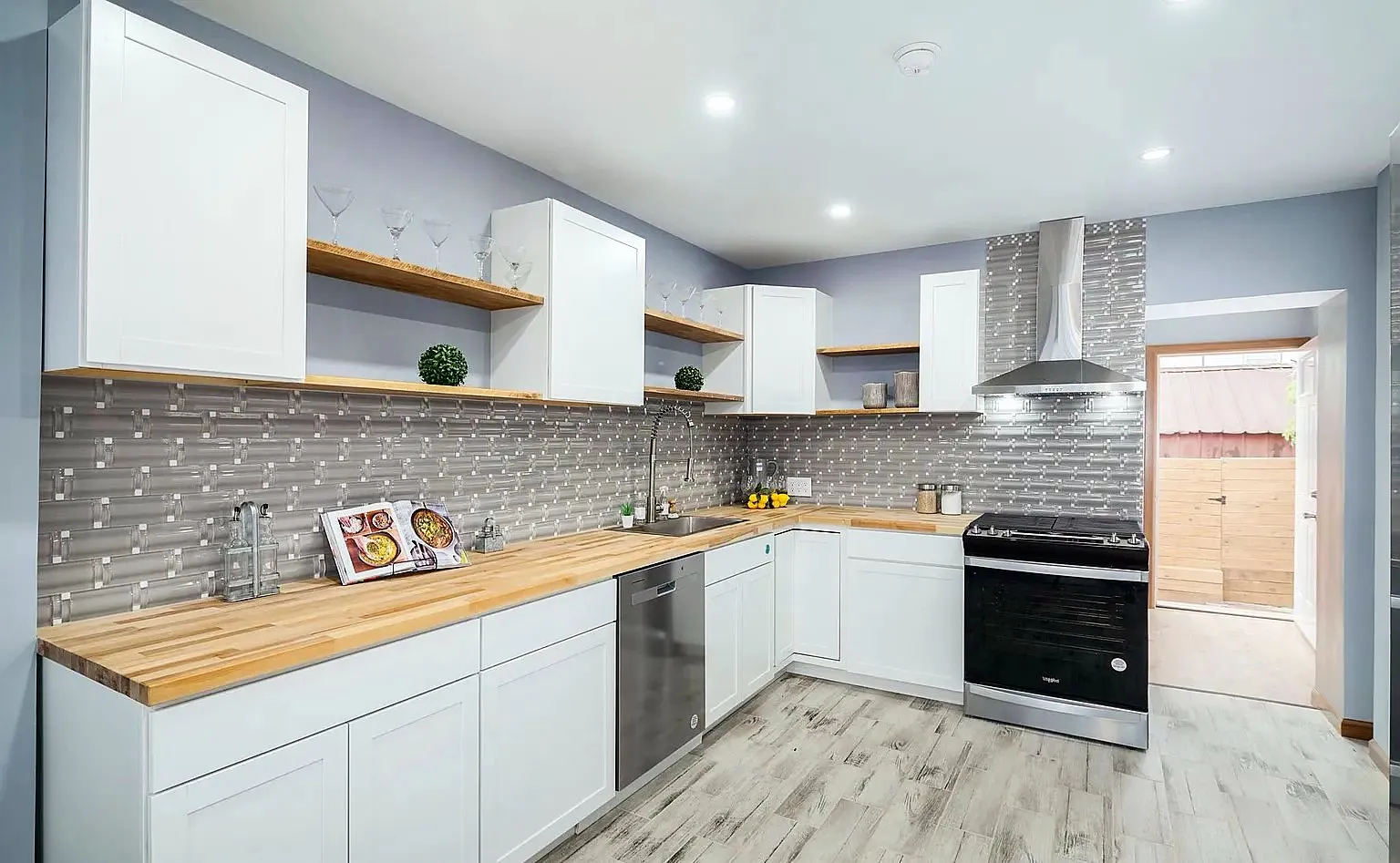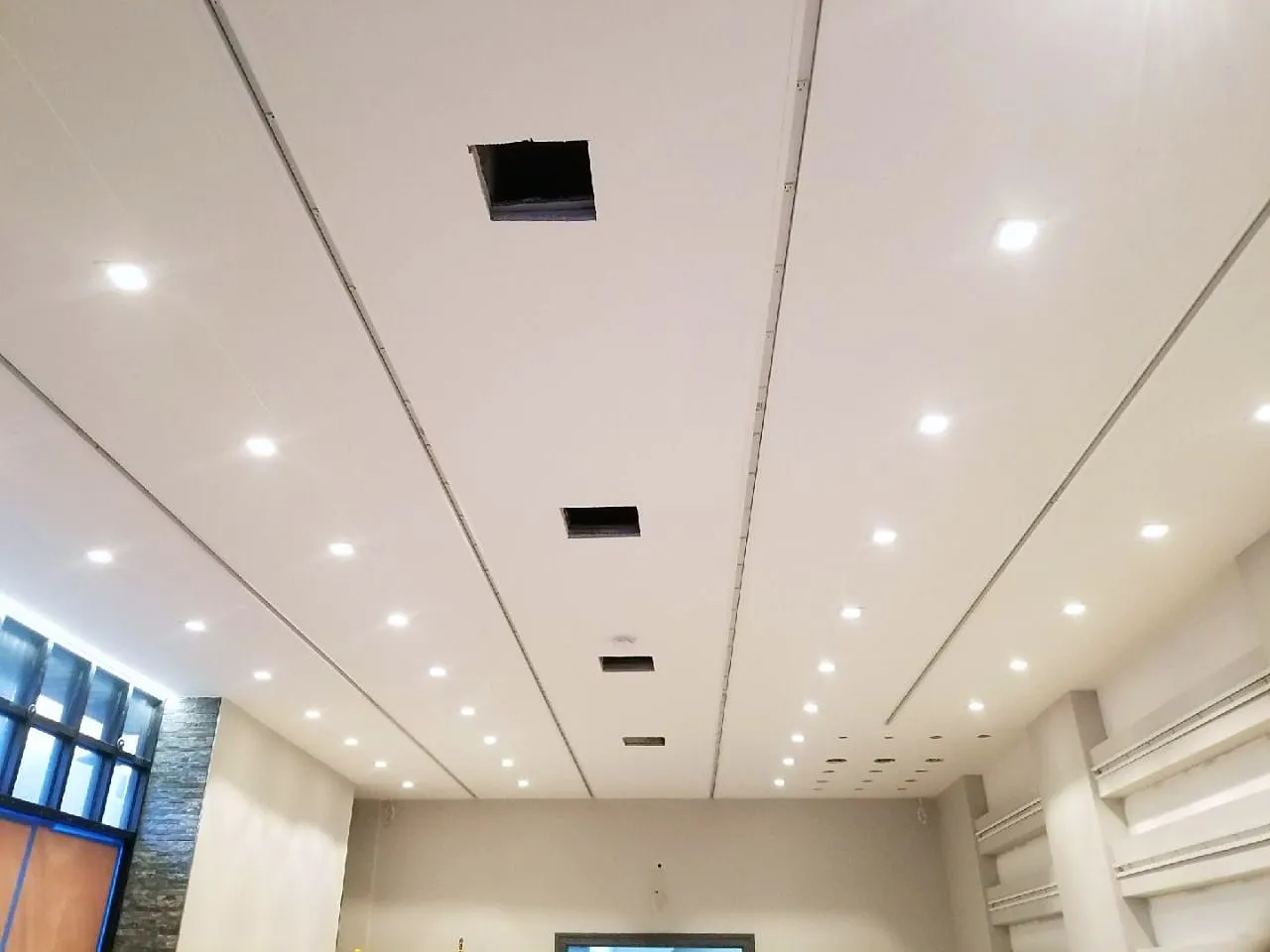
Painting looks like the simplest line in a renovation and it is the one most often done badly, because the paint is the last five percent of the work. What you are paying for is the preparation underneath. Here is how painting is priced in the Queens homes we work in, why plaster changes the number, and when the level 5 finish you have heard about is worth it.
What a painting estimate is made of
- Protection. Floors, furniture, fixtures, hardware removed or masked. In an occupied apartment this is an hour per room before anything else happens.
- Preparation. Washing, scraping, filling, sanding, caulking, priming problem areas. This is where estimates diverge, because this is where the time goes.
- Repairs. Cracks, holes, water stains, failed tape joints, loose plaster. Priced per item or per area after we see the walls.
- Primer. On bare plaster, patches, stains and color changes. Skipping it is how new paint peels.
- Paint. Two finish coats as standard. The paint itself is a modest part of the cost; the brand and sheen matter for durability and washability more than for price.
- Trim, doors and ceilings. Each is priced separately. Doors and trim are slow because they are brushwork; ceilings are slow because they are overhead.
- Cleanup and touch-up. Daily, and a final walkthrough with a light held at an angle to the wall.
Pre-war plaster versus drywall
New drywall is flat, uniform and takes paint predictably. Pre-war plaster in Rego Park, Forest Hills and Jackson Heights co-ops is beautiful and alive: hairline cracks from building movement, paint layers that have delaminated into alligator skin, radiator stains, trim buried under a century of coats.
Painting plaster well means scraping back failed areas, consolidating loose edges, filling and feathering, sometimes skim coating whole walls, and priming before color. It takes two to three times longer per wall than new drywall and is the honest reason two painting quotes for the same apartment differ so much. The lower one is probably planning to paint over the problems.
The drywall finish levels, in plain terms
The industry standard describes finish levels from 0 to 5.
- Level 3: tape and two coats on joints. Behind heavy texture or wallpaper only.
- Level 4: tape and three coats on joints and fasteners, sanded. The normal standard for flat paint in average light.
- Level 5: level 4 plus a thin skim coat over the entire surface. The joints and the paper disappear under one continuous skin.
Level 5 is what you want when the wall will be lit from the side by a window or by recessed ceiling lights, when the ceiling has downlights that rake across it, and when the color is dark or the sheen is satin or higher. Under those conditions, level 4 shows every joint as a faint band. In a closet, or a hallway with soft light and flat white paint, level 5 is money you will not see.
What moves the price
- Wall condition and age, as above.
- Ceiling height. Above nine feet, everything takes longer and needs staging.
- Color changes. Dark to light or light to dark adds a primer coat.
- Trim style. Flat modern trim is quick; pre-war crown and panel moulding is not.
- Occupied versus empty. Empty apartments are faster and cheaper to paint.
- Building hours. Co-op workdays shorten every day’s output.
- Lead-safe work practices in pre-1978 homes, which we follow regardless.
Doing it as part of a renovation
Painting after a bathroom or kitchen remodel is more than touch-up: the walls around the work have been opened and patched, and the patches need skim coating and priming to disappear. We include this in the remodel rather than leaving it as “paint by others,” because a new bathroom next to a patchy hallway reads as unfinished.
Choosing paint
For walls, a quality washable matte or eggshell. For trim and doors, a water-based enamel that levels well and does not yellow. For bathrooms and kitchens, a moisture-resistant formulation in a satin sheen. We will name the lines we use on the estimate; they are not the most expensive, and they are not the ones on sale.
Getting a price
Photos of each room, the ceiling height, and a note on the building’s age are enough for a range. For a firm number we need to see the walls under a light, which takes twenty minutes.