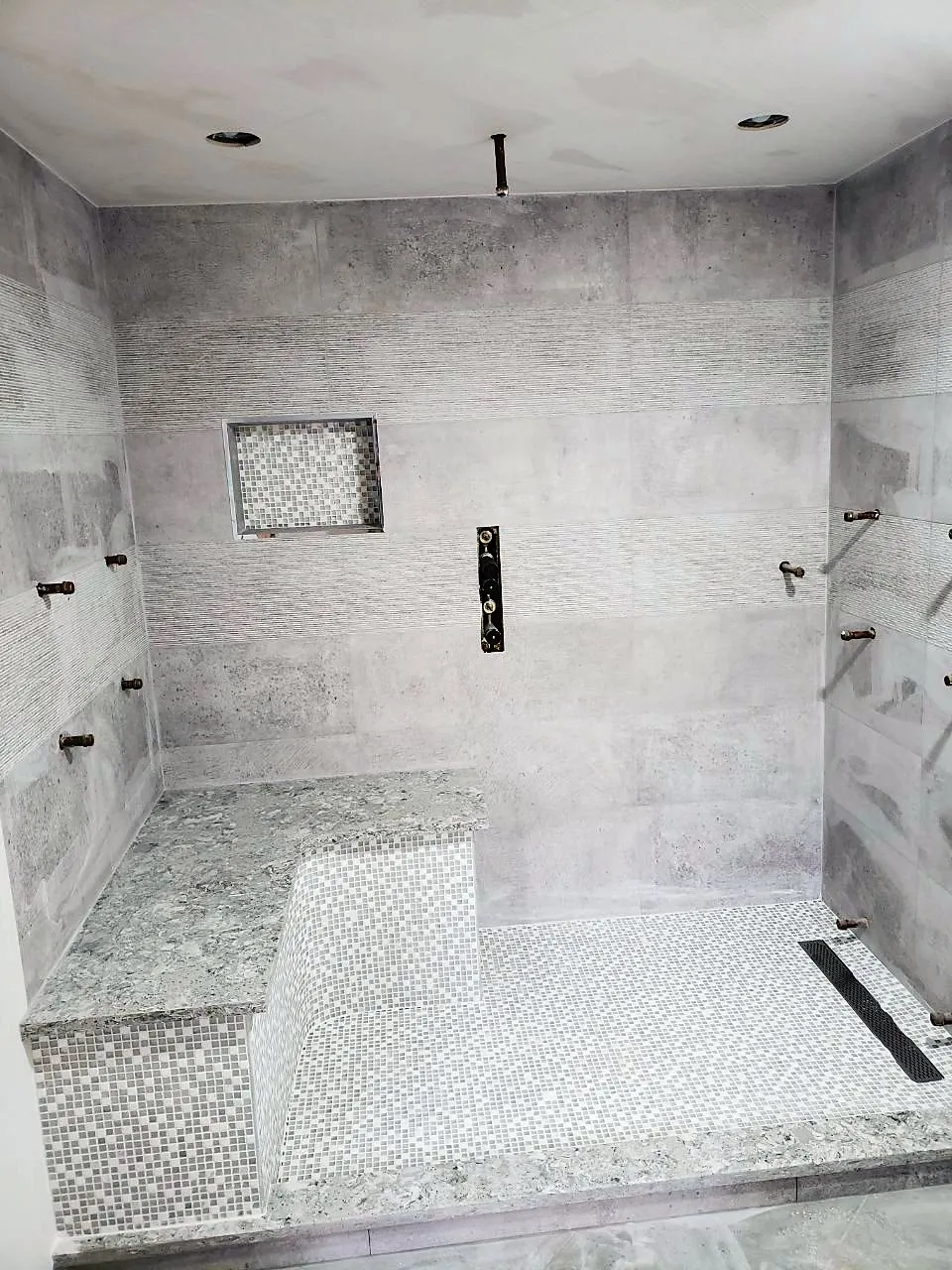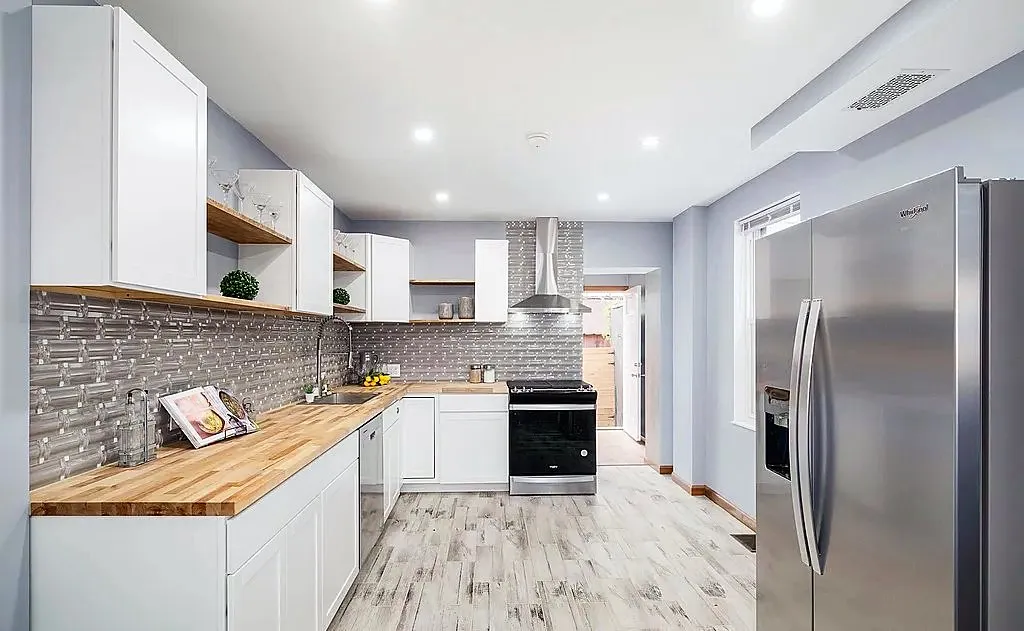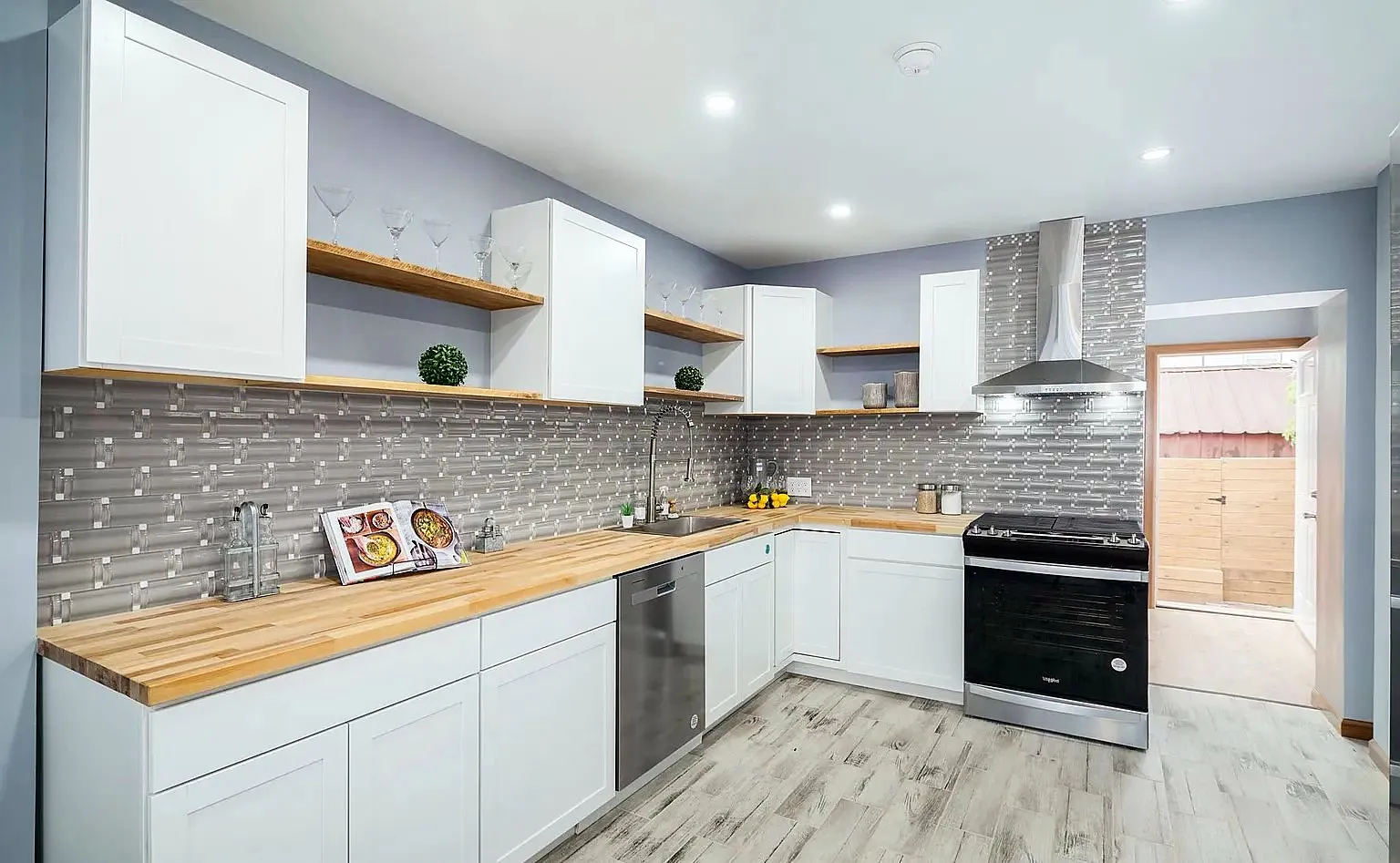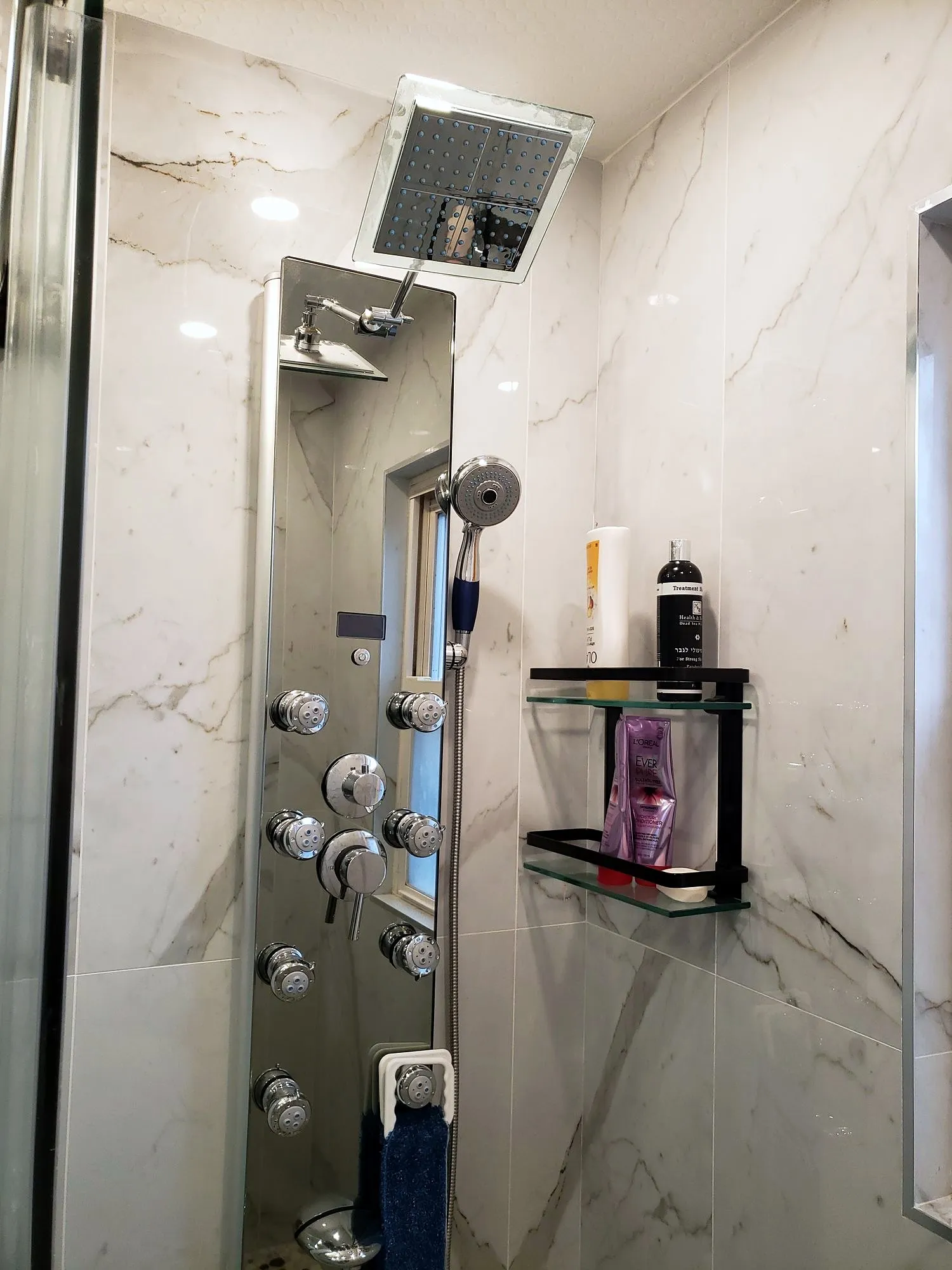
Most of our bathroom work in Rego Park, Forest Hills and Kew Gardens happens in co-ops. The remodel itself is the same job as in a house. The difference is the paperwork that has to be done before the first tile comes off the wall, and the building’s rules that decide what the room can become. This is how the process actually runs, so you can plan the start date around it instead of discovering it after you have bought a vanity.
What the alteration agreement is
The alteration agreement is the contract between you, as shareholder, and the co-op corporation. It gives you permission to do the work on conditions: who can do it, when, how the building is protected, and what happens if something goes wrong. It is separate from your contract with us, and the building will not let anyone start until it is signed and the package behind it is complete.
Every building writes its own version, but in Queens they ask for the same core items.
The package, item by item
From you
- The signed alteration agreement, usually with a non-refundable review fee and a refundable damage deposit.
- A description of the work. Some buildings accept a scope letter; others want drawings even for a bathroom.
- Proof that the apartment’s maintenance is current.
From us
- A copy of our NYC Department of Consumer and Worker Protection Home Improvement Contractor license, number 2137587.
- A certificate of insurance naming the co-op corporation, the managing agent and often the board members as additional insureds. Buildings set the minimum coverage; we match it.
- Workers’ compensation and disability certificates.
- A scope of work and a schedule with a start date and a realistic finish date.
- The licensed plumber’s and electrician’s information when their trades are involved. In a bathroom they nearly always are.
From the building
- The house rules for construction: work hours, elevator reservations, protection of hallways, where debris goes, and whether your neighbors must be notified.
- Any engineering review the board requires. Moving a toilet or a shower drain in a pre-war building on Queens Boulevard will often trigger one.
We prepare our part the same week you ask for it. The slow items are almost always the ones that depend on a board meeting.
The rules that change bathroom designs
Three building rules shape more Queens co-op bathrooms than any design trend.
Wet over dry. Many buildings prohibit a wet area, such as a shower or a toilet, above a neighbor’s dry room. If your bathroom sits above a bedroom, the footprint stays where it is. Enlarging the shower into the closet usually fails this test.
Plumbing stays on the stack. Fixtures can often move a foot or two, but new drain lines that run across the slab to reach the stack are frequently refused, because they lower the ceiling below and raise the risk of a leak into someone else’s apartment.
Waterproofing and sound. Some agreements specify the shower membrane system or require a sound mat under tile floors. These are good rules. We build to them whether or not the building asks.
Knowing these before the estimate is why we ask for the building name on the first call. We may already have worked in it.
How the timeline really looks
A typical Queens co-op bathroom, start to finish, runs like this:
- Week 0. Site visit and written estimate. We identify what the building will ask for.
- Weeks 1 to 2. You sign with us. We send our documents to the managing agent within days. You submit the agreement and fees.
- Weeks 2 to 6. Board review. This is the part no one controls. Monthly boards are slower than managing agents with delegated authority.
- During review. We order tile, the vanity, the glass and anything with a long lead time, so nothing stalls once approval lands.
- Approval to start. Elevator booked, hallway protection up, neighbors notified if required.
- Weeks 3 to 5 of work. A full gut bathroom in a co-op usually takes three to five working weeks inside the building’s hours, with inspections between phases.
The honest total is two to three months from first call to a finished room. Anyone promising a co-op bathroom in four weeks flat has not read the agreement.
Mistakes that cost a month
- Submitting the package in pieces. The clock restarts each time something is missing. Send it complete.
- Ordering fixtures before approval. If the board rejects the drain relocation, the floor-mount tub filler you bought is now a problem.
- Hiring an unlicensed contractor. The managing agent will reject the package and you start over, having lost weeks.
- Ignoring the work hours. A building that allows noisy work from 10 to 4 effectively gives you a five-hour day. The schedule must reflect it.
- Forgetting the elevator. Pre-war buildings with one service elevator book it weeks out.
What we do differently
We treat the building as the second client. Our insurance limits are set to match the stricter Queens co-ops, our documents are ready the day you ask, and we have the alteration agreements of several buildings in Rego Park and Forest Hills on file. If your building is one of them, we already know its rules and can quote accordingly.
If you are planning a co-op bathroom, tell us the building name and the floor. We will tell you what the board is likely to ask for before you spend anything.